What Do You Do When the TOT Starts Bleeding and You're Alone in the OR?
The Loneliest Seconds: When the Bleeding Doesn’t Stop
It’s 2pm. The TOT is in. Then you see it.The bleeding isn’t stopping.Your scrub nurse looks at you. You look at the field. And for three seconds — three very long seconds — you’re not sure what your next move is.
1
Breaking the Silence: Preparing for the OR Crisis
Nobody teaches you this in residency. It’s not in the operative manual. It’s not presented at the urogynecology conference.Because nobody wants to stand at a podium and say: “Here’s the case where I didn’t know what to do for thirty seconds.”But it happens. And the surgeons who handle it well are the ones who already knew — before it happened to them — exactly where the bleeding is coming from and exactly how to stop it.
2
The 90-Second Protocol: Differentiating Source and Response
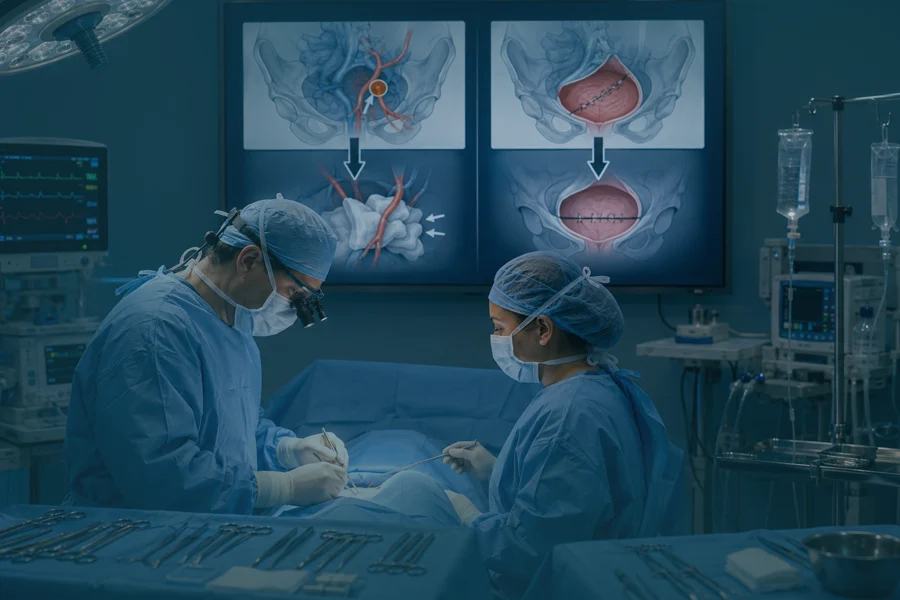
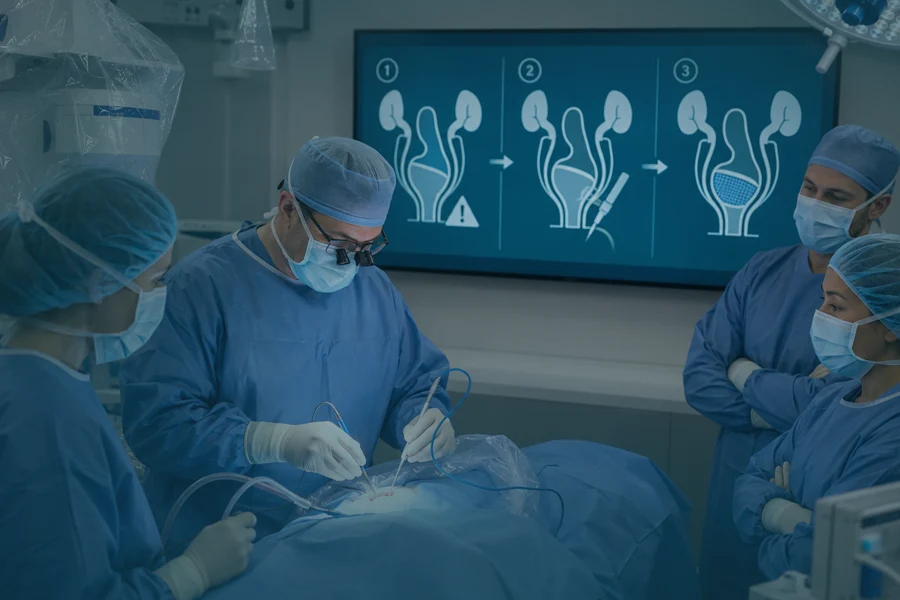
TOT bleeding is almost always from one of two sources: the obturator vessels or the vaginal wall. They look similar under stress. They require completely different responses.Obturator vessel bleeding requires immediate packing and controlled pressure — opening the wound wider only worsens it. Vaginal wall bleeding is almost always a suture line issue and responds to direct repair.The first 90 seconds of your response determine the outcome. In Video 8, I walk through the full complication in real time — including my decision process, what I did first, and how the case resolved.
3
Clinical Resilience: Mastery Built on Live Complication Management
You cannot simulate the experience of a complication. But you can see someone else navigate it — calmly, methodically, successfully — before it happens to you.That’s what Video 8 gives you. 15 minutes that could change how you handle the worst-case scenario in your OR.Module 3. Four real incontinence cases. Including the one nobody else recorded.
Control intraoperative bleeding with absolute certainty.